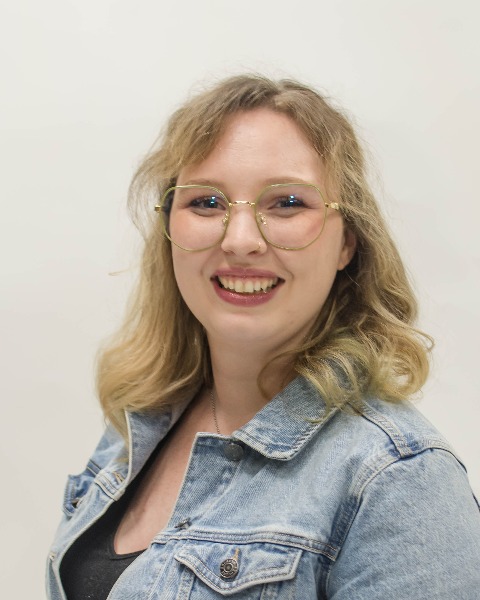
STEM Lab Coordinator and Lecturer Arcadia University Cinnaminson, New Jersey
Students with chronic illnesses and disabilities often face unique challenges in academic environments that extend beyond traditional accessibility concerns. Especially in disciplines like entomology where fieldwork, laboratory research, and physically demanding tasks are common, these barriers can significantly affect student participation, performance, and retention. This presentation will highlight practical, evidence-based strategies, as well as student led ideas that faculty can adopt to create more inclusive and equitable classrooms, laboratories, and field experiences. Drawing on both current accessibility research and lived experiences within the sciences, we will explore how universal design principles, flexible course structures, and proactive communication can help all students thrive. Attendees will gain insight into how small changes like adaptable lab assignments, and inclusive field protocols can have a large impact on student success and well-being. Ultimately, this session aims to foster a culture of empathy and collaboration that benefits not only students with chronic illnesses and disabilities, but the entire academic community.
.png)