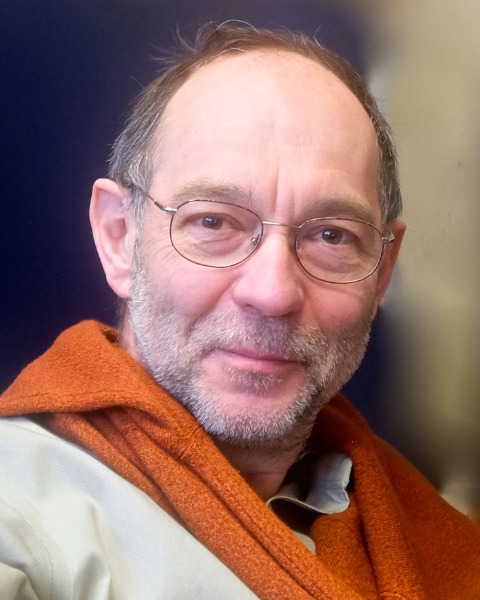
Professor of Genetics Harvard University Boston, Massachusetts
I will review our laboratory’s contributions over the years to functional genomics in Drosophila and, more recently, in other arthropod species - focusing on the development and application of genome-wide RNA interference (RNAi) and CRISPR pooled screening technologies. Our lab was among the first to recognize the potential of RNAi for systematic, genome-wide functional analysis. In the early 2000s, we developed and optimized high-throughput RNAi screening methods in Drosophila cell lines, culminating in the establishment of the Drosophila RNAi Screening Center (DRSC) at Harvard Medical School—a resource for the global research community. The DRSC provided comprehensive RNAi libraries and automated screening platforms that enabled researchers to silence virtually every gene in the Drosophila genome. These tools proved instrumental in identifying genes involved in signal transduction, cell division, cell morphology, innate immunity, and many other biological processes. Beyond cell-based assays, our lab also developed and optimized tools for in vivo RNAi in Drosophila, and generated genome scale resources of transgenic flies to interrogate gene function in a tissue specific manner. These in vivo RNAi resources, distributed through the Bloomington Drosophila Stock Center, have become standard tools in fly genetics laboratories worldwide. As genome editing technologies advanced, our lab extended these principles to CRISPR-Cas9–based functional genomics, both in Drosophila and other arthropods, and developed CRISPR pooled screening strategies optimized for Drosophila cells and other arthropods. I will describe a number of applications of CRISPR–based pooled screens.
.png)