.png)




Student 10-Minute Presentation Competition
Plant-Insect Ecosystems
Student Competition
Student
.jpg "Grace Burnham photo")
Grace Burnham
Undergraduate Student
The Ohio State University
Rocky River, Ohio
Erika Wright (she/her/hers)
Graduate Student
The Ohio State University
Columbus, Ohio

Chris Riley
Bartlett Tree Research Laboratories
Fairfax, Virginia
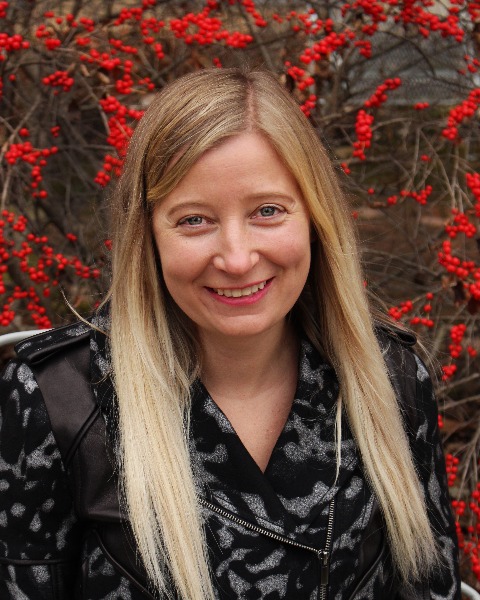
Mary M. Gardiner, M.S., Ph.D. (she/her/hers)
The Ohio State University
Columbus, Ohio
In legacy cities, vacant lots are ubiquitous and present a variety of challenges. Nonetheless, the urban forests growing within vacant lots provide the majority of tree-derived ecosystem services such as stormwater infiltration, carbon storage, and atmospheric pollutant removal within these cities. However, most trees growing within vacant lots are non-native species, and the value of these species for arthropod biodiversity is unclear. We aimed to determine if these non-native trees provided a similar habitat value to related native tree species. Our objective was to compare the species richness of ants, as well as functional diversity, on the most common genera of native and non-native trees found in vacant lots. Twenty individuals of each native tree, silver maple (Acer saccharinum) and American elm (Ulmus americana), and twenty individuals of each non-native tree, Norway maple (Acer platanoides) and Siberian elm (Ulmus pumila), were identified throughout lots in Cleveland, Ohio, and ant samples were collected in the summer of 2016 and 2017. We found that both native and non-native tree species supported a similar number of ant species. The ability of non-native trees to support similar biodiversity as compared to native trees can prove to be important for the maintenance of urban forests and vacant lots within legacy cities. If non-native trees can provide similar quality habitat as native trees, urban forests have the opportunity to support unique and diverse ecosystems.