.png)




Student 10-Minute Presentation Competition
Plant-Insect Ecosystems
Student Competition
Student

Adrian I. Chavez
Masters Student
University of Florida
Belle Glade, Florida

De-Fen Mou (she/her/hers)
University of Florida
Belle Glade, Florida

Anna Meszaros
Commercial Vegetable Production Extension Agent
University of Florida
West Palm Beach, Florida
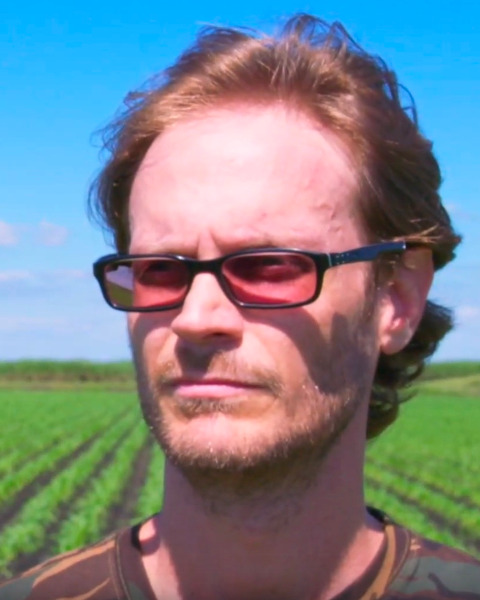
Julien Beuzelin
Associate Professor
University of Florida
Belle Glade, Florida
Biological invasions represent one of the most important threats to biodiversity and ecosystem stability. Among invasive insects, thrips rank among the most destructive agricultural pests worldwide. Recently, an invasive species, Thrips parvispinus (Karny) has emerged as a serious pest in southern Florida’s agricultural systems. Since its first detection in Orange County, Florida, in 2020, T. parvispinus has rapidly spread across key vegetable-growing regions, becoming a major concern for pepper (Capsicum spp.) production. This species causes extensive feeding damage to flowers, leaves, and fruits, leading to a reduction in market quality and significant yield losses. Thrips are notoriously difficult to control due to their small size, cryptic behavior, and rapid population growth. Moreover, limited biological and ecological information about T. parvispinus in Florida complicates the current management efforts. Therefore, understanding its seasonal dynamics, host preference, and response to insecticides is critical for developing an effective integrated pest management program. This project addresses these challenges through three objectives: (1) monitoring T. parvispinus populations across multiple pepper fields in southern Florida; (2) evaluating the efficacy of several insecticide groups under laboratory conditions; and (3) assessing host-plant resistance through a screening of 27 cultivars . By integrating field surveys, insecticide trials, and host-resistance evaluations, this research aims to contribute to a better understanding of T. parvispinus and help growers manage T. parvispinusthem more effectively. The overall goal is to support the development of a sustainable IPM program that minimizes economic losses while reducing reliance on chemical control and promoting friendly environmental options.