.png)




10-Minute Presentation
Plant-Insect Ecosystems

Casey L. Johnson (she/her/hers)
Research Associate
University of Rhode Island
Warwick, Rhode Island
Steven Alm
Professor
University of Rhode Island
Kingston, Rhode Island
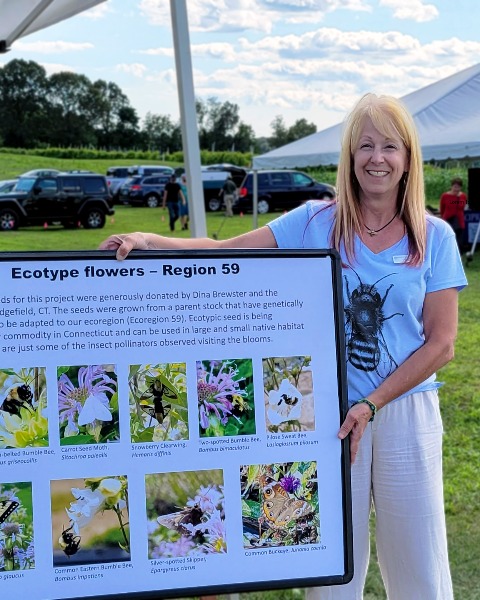
Tracy Zarrillo (she/her/hers)
Assistant Agricultural Scientist 1
The Connecticut Agricultural Experiment Station
New Haven, Connecticut

Emma Tondre (she/her/hers)
Research Assistant
University of Rhode Island
South Kingstown, Rhode Island
Kelsey Elizabeth Fisher
Assistant Scientist II
Connecticut Agricultural Experiment Station
Wallingford, Connecticut
To address the documented declines in native bees and other beneficial pollinators, the United States Congress passed the Food, Conservation, and Energy Act of 2008, otherwise known as the Farm Bill. The Farm Bill authorized incentive-based conservation programs to be carried out on agricultural land through the National Resources Conservation Service (NRCS) and encouraged the development of habitat for native and managed pollinators on farms. This project seeks to evaluate the outcome of at least 22 such wildlife habitat plantings that were established in Connecticut and Rhode Island through this program. The project’s objectives are to: a) quantify the key plant species that support wild native bees, especially rare species, b) evaluate the relationship between plant diversity/seed mix and bee species richness, and c) provide information for developing seed mixes that best meet the needs of bees in Southern New England. We conducted monthly surveys of each planting during the growing season (May-September) from 2023-2025 to evaluate wild bee diversity as well as the vegetative cover, floral diversity, and flower frequency within each planted meadow. Recommendations will be based on flower species which support the highest bee species richness and abundance and will also include high-value plants for rare and oligolectic bees.